

“AI Disruption” Publication 10,500 Subscriptions 20% Discount Offer Link.

A few days ago I already discussed Jev from an algorithmic angle: a single-forward discriminative model built on a pretrained language-model backbone, using full self-attention for cross-sequence interaction, with probability calibration as its post-training objective (RLCD).


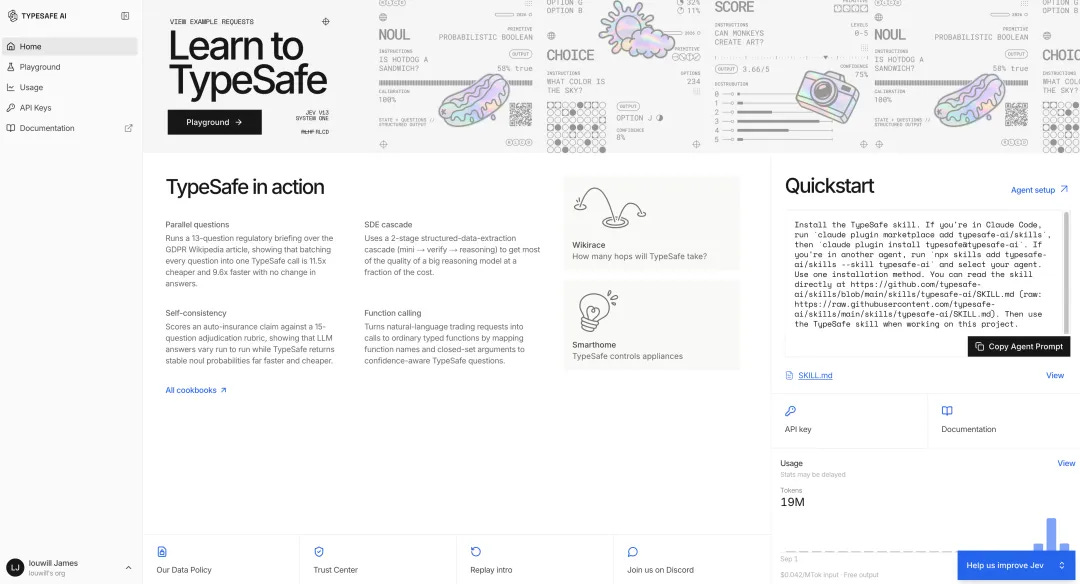
That was not deep enough, and there were no real application cases. I spent some time running two very different kinds of in-depth tests. One was a head-on comparison against traditional machine-learning ensembles such as XGBoost and SVM on extremely imbalanced structured medical tabular data. The other was wiring Jev into our in-house AI paper-tracking system, PaperTracking, and running it through a full production integration.
After those tests, the overall impression is that Jev really has something. On top of today’s general-purpose large models, it opens another path: a fast decision model. And it is no coincidence that Laya, a very similar model, was open-sourced in a rush over the last couple of days.
So today I want to go deeper into Jev.
